



Natural improvement for sagging eyelids
Subbrow Upper
Eyelid Lift
Open and define your eyes
LIENJANG SUBBROW UPPER EYELID LIFT
Surgery Information
-
 Duration
~1 hour
-
 Anesthesia
Local or sedation
-
 Stitch Removal
After 1 week
-
 Daily Activities
After 7 days
-
 Follow-ups
1 time
LIENJANG PLASTIC SURGERY
Subbrow Upper Eyelid Lift
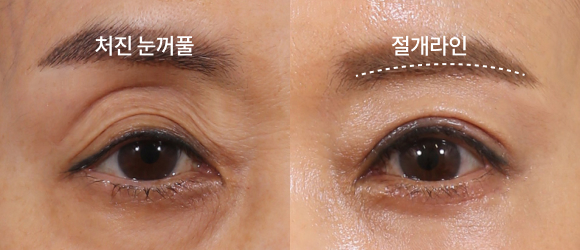
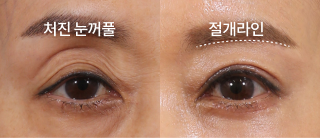






Lienjang's subbrow upper eyelid lift is a procedure that improves wrinkles and sagging by incising the eyebrow
line of drooping eyelids. Because the incision is made along the border just below the eyebrow,
the surgical scar can be hidden and the eye shape can be restored to a clearer, younger
appearance without affecting the existing double eyelid line.
Upper Blepharoplasty
VS
Subbrow Upper Eyelid Lift
-
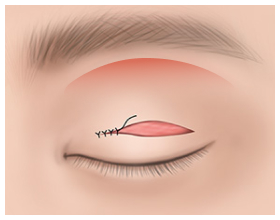
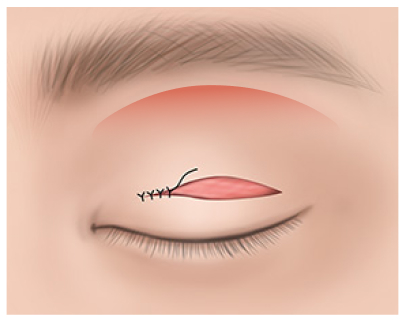 Upper Blepharoplasty
- Incision on the eyelid
- Sagging double eyelid improvement
- Dramatic improvement
- For mild lateral sagging
-
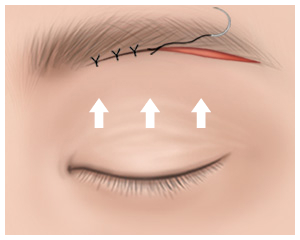
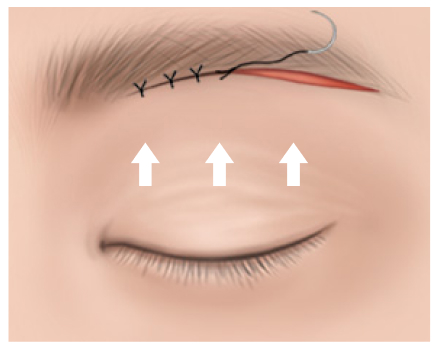 Subbrow Upper Eyelid Lift
- Incision under the eyebrow
- Preserves exiting double eyelid
- Natural-looking improvement
- For drooping eye corners with irritation
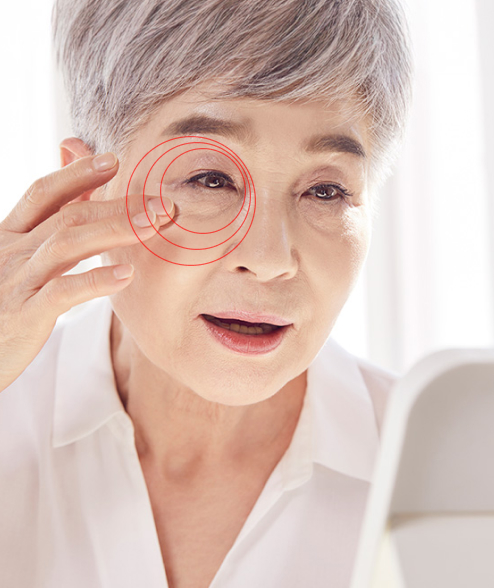
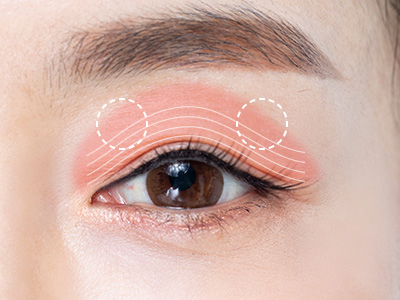
What is the orbicularis oculi?
The orbicularis oculi is a muscle that tightens and closes
the eyelids when you close your eyes, surrounding the
eye in a circular shape.
As the elasticity of the orbicularis oculi muscle decreases,
the skin and fat sag along with the muscle to become
the main cause of eyelid drooping.
At Lienjang, we reinforce the orbicularis oculi to prevent
the recurrence of eyelid sagging!
Improve Sagging Eyelids for a Natural Result!
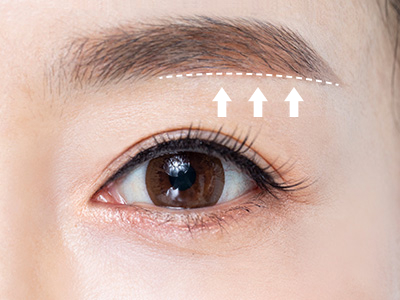
- Reduced scarring with a
"shadow incision" - Natural-looking lifting
without double eyelid surgery - Further sagging prevention with
firm fixation sutures
LIENJANG PLASTIC SURGERY
What Sets Our Subbrow
Upper Eyelid Lift Apart
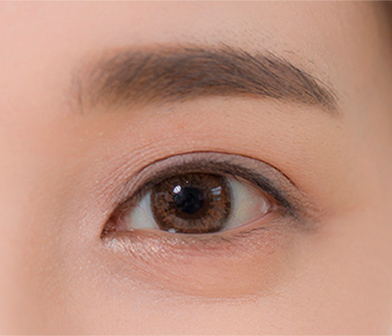
Perfectly Hidden
"Shadow Incision"
The incision line is tailored to the individual's eyebrow shape,
and the scar is naturally concealed as if shadowed, minimizing
concerns about scarring even after surgery.

LIENJANG PLASTIC SURGERY
Subbrow Upper Eyelid Lift Process
-
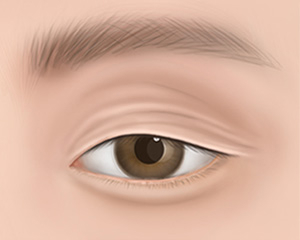
01
Droopy eyelids
before surgery -
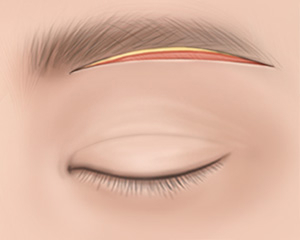
02
Incision and excess
skin removal -
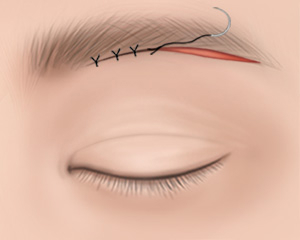
03
The skin is pulled,
fixated, and sutured -
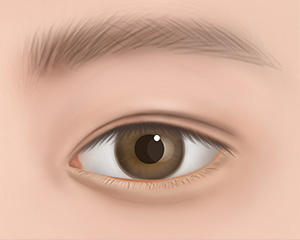
04
A sharper-looking
eye is achieved
LIENJANG SUBBROW UPPER EYELID LIFT
BEFORE & AFTER
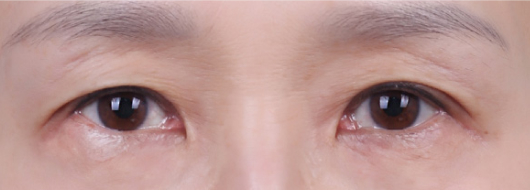
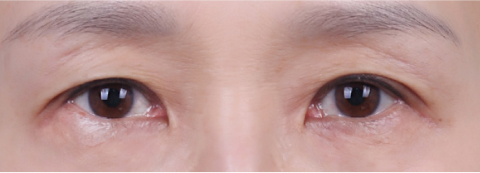
Before
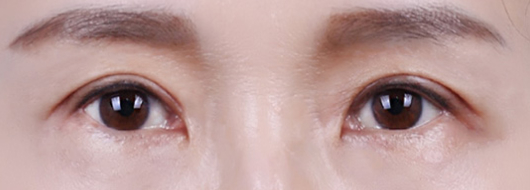
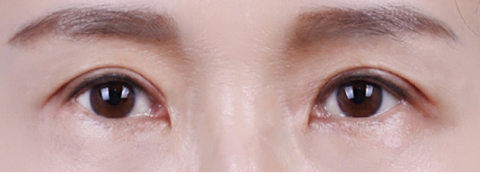
After
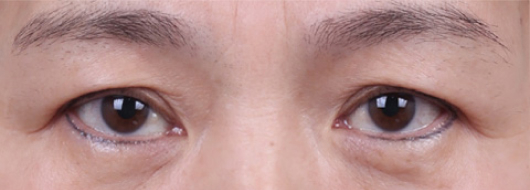
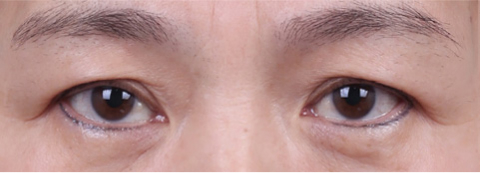
Before
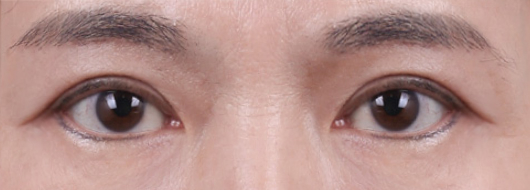
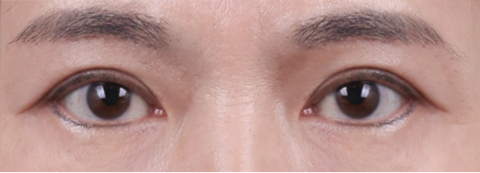
After
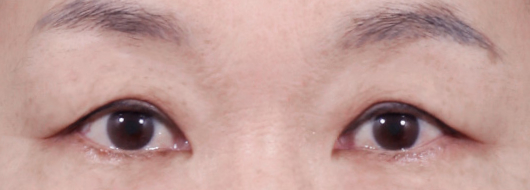
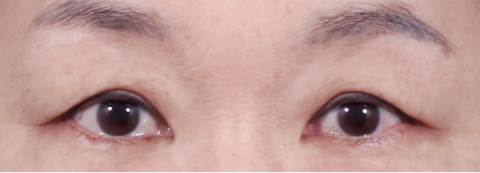
Before
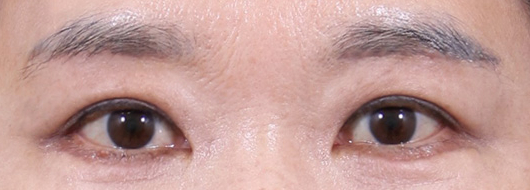
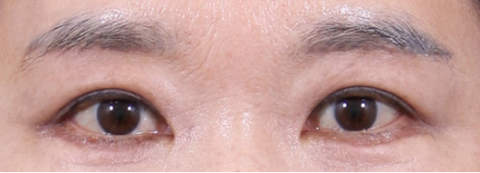
After
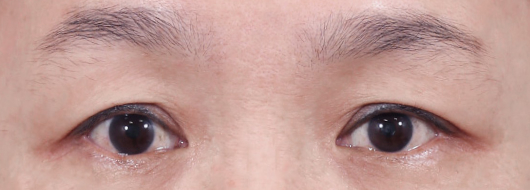
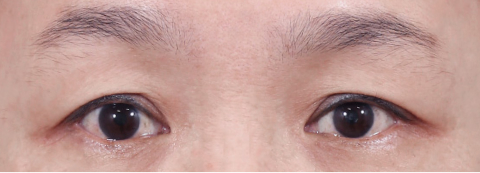
Before
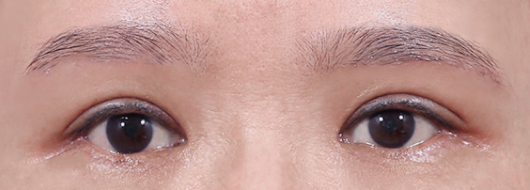
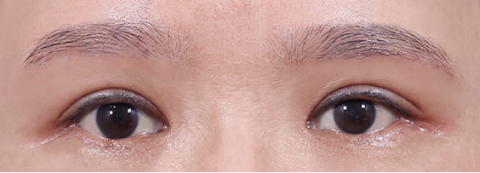
After
LIENJANG SUBBROW UPPER EYELID LIFT
Recommended for...
- Those with little space between the eyes and eyebrows
- Those with eyelids that are drooping due to age
- Those who want lifting without double eyelid surgery
- Those whose eyes look heavy due to thick eyelids
- Those with deep wrinkles on the forehead or glabella
LIENJANG SUBBROW UPPER EYELID LIFT
Frequently Asked Questions
※ Click to learn more
Both upper blepharoplasty and a subbrow upper eyelid lift remove excess, sagging skin from the upper eyelid area. However, a subbrow upper eyelid lift removes excess skin through an incision just below the eyebrows without altering the existing double eyelid crease. Upper blepharoplasty, on the other hand, removes excess skin along the double eyelid crease while creating or adjusting the eyelid fold.
Yes, a subbrow upper eyelid lift can be performed at the same time as non-incisional double eyelid surgery. Combining the two procedures may provide complementary results for patients with relatively thin excess skin beneath the eyebrows who desire a natural-looking double eyelid crease.
No. A subbrow upper eyelid lift can be an effective option for younger patients as well, depending on their individual eyelid condition. It is not a procedure exclusively intended for middle-aged or older adults.
Most swelling after a subbrow upper eyelid lift subsides within approximately two weeks. However, the scar along the lower edge of the eyebrow may remain noticeable for up to one month and gradually fade after two months. With the help of makeup or eyebrow tattooing, the visible scar may be easier to conceal, allowing patients to feel comfortable returning to their daily activities sooner than after upper blepharoplasty.
- Avoid excessive alcohol consumption, smoking, saunas, jjimjilbangs (Korean bathhouses), and strenuous exercise for 3–7 days after surgery to help reduce the risk of inflammation.
- Avoid rubbing or applying excessive pressure or irritation to the treated area.
- Keep the skin well moisturized and apply sunscreen whenever you go outdoors.
Lienjang Surgical Safety
Your safety is our top priority.-
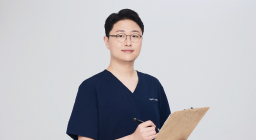
01Dedicated Surgeons
Personalized one-on-one care from consultation to post-surgery recovery.
-
02On-Site Anesthesiologists
Experts present before and after surgery for constant monitoring.
-
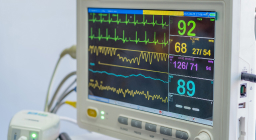
03Comprehensive Pre-Surgical Examination
Blood tests, ECG, X-rays, and other pre-surgical examinations.

-
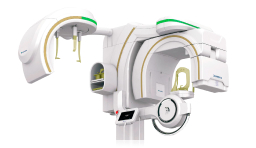
04Precise 3D-CT Diagnostics
Advanced imaging for detailed surgical planning.
-
05Emergency Response System
Advanced safety devices and an emergency response system for critical situations.

-
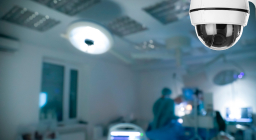
06Operating Room CCTV Surveillance
CCTV present in the operating room to ensure surgeon accountability.
-
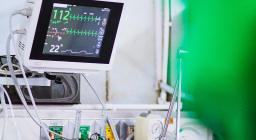
07Central Monitoring System
Real-time monitoring of the surgery and anesthesia.
-
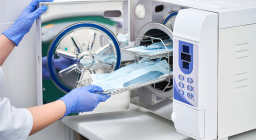
08Strict Hygiene and Safety Management
A sterile environment to prevent infection through sterilization and disinfection.
-
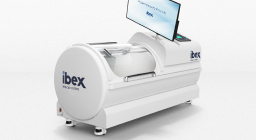
09Two-Atmosphere Hyperbaric Oxygen Therapy
Quicker healing, reduced swelling and bruising, and improved antioxidant effects.
-
01
Dedicated Surgeons
Personalized one-on-one care from
consultation to post-surgery recovery. -
02
On-Site Anesthesiologists
Experts present before and after surgery
for constant monitoring. -
03
Comprehensive Pre-Surgical Examination
Blood tests, ECG, X-rays, and other pre-surgical examinations.
-
04
Precise 3D-CT Diagnostics
Advanced imaging for detailed
surgical planning. -
05
Emergency Response System
Advanced safety devices and an emergency
response system for critical situations. -
06
Operating Room CCTV
SurveillanceCCTV present in the operating room
to ensure surgeon accountability. -
07
Central Monitoring System
Real-time monitoring of the surgery
and anesthesia. -
08
Strict Hygiene and Safety Management
A sterile environment to prevent infection
through sterilization and disinfection. -
09
Two-Atmosphere Hyperbaric
Oxygen TherapyQuicker healing, reduced swelling and bruising,
and improved antioxidant effects.


